Need emergency tree removal in Cape Coral?
- Independent providers for removal, stumps and storms
- Request an estimate, no obligation
- Upkeep tips after the work
- Clear, honest next steps
No obligation
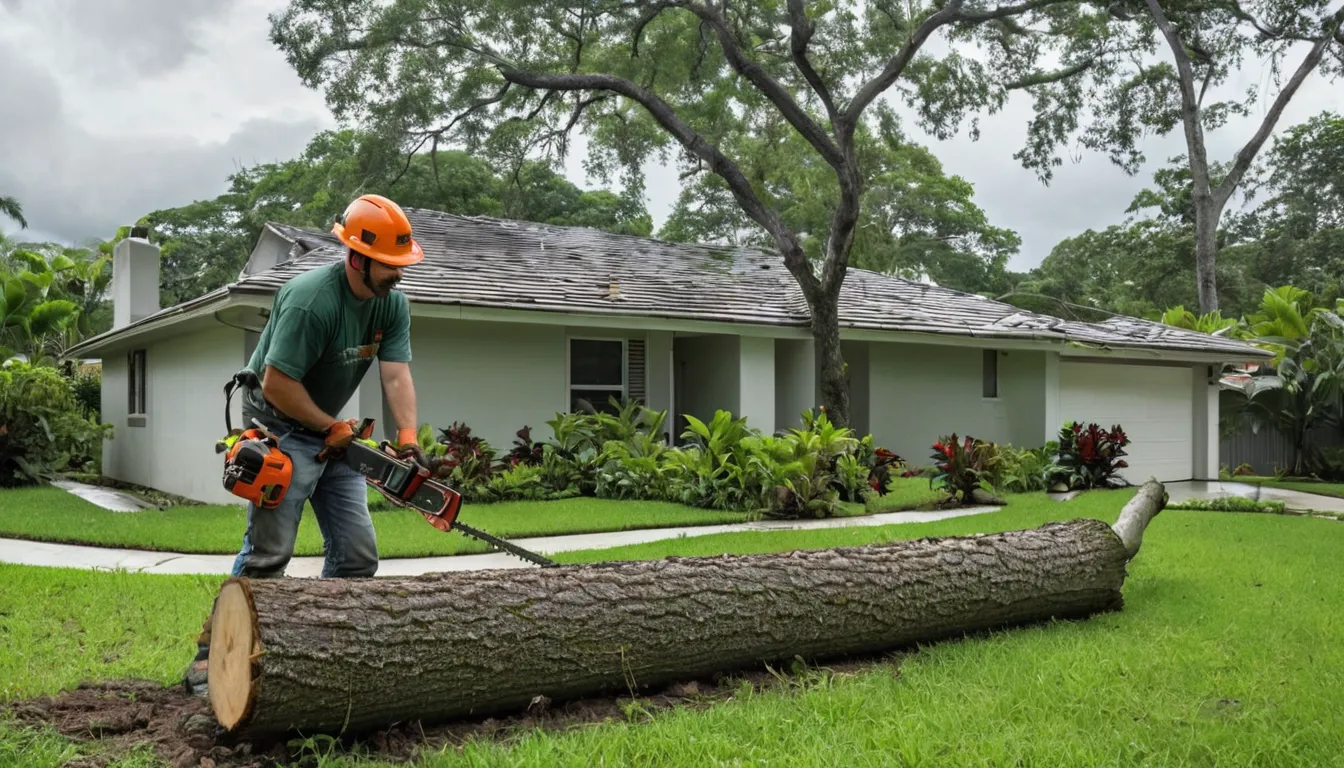
A tree that is down, split or leaning over the house is stressful. Emergency tree removal is the work a local provider does to make that tree safe and clear the way. It can mean cutting a fallen trunk off a roof, opening a blocked driveway or taking down a limb that is about to drop.
Sitemet Tree Service is a referral service. It does not do the work. It connects homeowners across the Cape Coral area with independent providers who handle storm tree clearance and tree falling service. Availability varies by provider, so ask what is open near you. This page also shares simple upkeep ideas, so the next storm finds fewer weak spots in your yard and your home stays protected.
If a tree has come down, start with people and pets. Move everyone away from the tree, the roof and any wires nearby.
Treat every power line as live, even when the lights are out. Report downed lines to the utility company. Then stay back until the area is safe.
Do not climb on the trunk or try to cut it yourself. Wood under strain can snap or roll without warning. A trained provider has the gear to read that tension.
Some problems cannot wait. Others can be handled with a careful visit in a few days. Here is a quick way to sort yours.
Not sure which group you are in? Take photos from a safe spot and share them with the provider.
The provider starts by looking at the whole scene. They check the wires, the roof, the ground and the way the tree is leaning. Then they plan each cut.
Large trees are often taken down in sections. Providers lower each piece with ropes or lift it out with a crane. That protects the roof, the pool cage and the fence.
When the tree is down, the provider clears the debris and hauls it away, or leaves it cut for pickup, depending on the job. Ask which one you are getting.
Almost daily summer storms and hurricane season can bring many requests at once. When that happens, providers sort jobs by danger. A tree on a house usually moves ahead of a tree in a back corner.
That is normal. Be ready to explain your situation clearly. Say what the tree is touching, whether anyone is at risk and whether a road or driveway is blocked. Many providers can respond quickly when a home is at risk, but availability varies. Request a callback to check provider availability in your part of the area.
Some policies may cover sudden storm damage, including a tree that lands on the house. Coverage differs by policy, so check yours. Deductibles and wind or hurricane terms can matter.
Providers can often help document damage for a claim. Ask for a written description of the work. Take your own photos too, before anything is moved, if it is safe to do so.
Keep every receipt. Do not sign over claim rights to someone you have just met.
If the tree opened the roof, a tarp may be needed before the next rain. Some tree providers can place one. Others will point you to a roofer. Ask early so no step gets missed.
Tile and shingle roofs both need a closer look after an impact. Cracked tile or lifted shingles can hide a leak that shows up weeks later.
Expect noise, heavy equipment and some mess. Expect to be asked for access to the yard, and sometimes to a neighbor's side.
Expect a written quote before work starts, even in a rush. A clear quote helps you avoid surprise charges. Wet soil can slow equipment, so timing may shift.
Heavy machines can leave ruts in a soft lawn. Ask the provider how they will protect the grass, the slab edge and any irrigation lines.
Once the tree is gone, walk the yard with the provider. Check the fence, the roof line, the pool screen and the slab edge. Spot problems while the provider is still there.
If a fallen trunk touched a neighbor's fence or yard, let them know early. A friendly heads-up keeps small issues small.
Fixing one tree is only half the job. The other half is keeping the next storm from finding a weak spot.
Ready before storm season means trimming dead limbs and thinning heavy crowns well ahead of June. A qualified provider can advise how much to take off and how often.
Humid months keep the soil soft and roots under stress. Look for leaning, mushrooms near the base, new cracks or dead tops.
Trees close to the roof, the slab or the pool cage deserve a yearly look. Roots can lift slabs and pavers over time.
A clean, careful removal protects the roof, the slab and the yard. Keep your photos, quotes and receipts in one folder. Buyers and inspectors like to see that storm damage was handled properly.
If a tree near your home worries you, do not wait for the next storm to prove you right.
A few plain questions can save you trouble later.
Providers cut and clear trees that have come down on a yard, driveway or structure.
Broken limbs and trunks are cut up and cleared after a storm so you can use your yard again.
Hanging or cracked limbs over the roof or walkways are taken down before they fall.
Many providers haul away logs and brush, or leave them cut for pickup.
Typical U.S. ranges are shown below. Storm work often costs more than planned work, and every job differs. Always get a written quote before work begins.
| Item | Typical range | Notes |
|---|---|---|
| Small downed tree | $300 – $1,000 | Easy access, no structure involved |
| Large tree removal | $1,000 – $3,500 | Height, trunk size and access all matter |
| Tree on a roof or house | $1,500 – $5,000+ | Needs careful cutting and extra planning |
| Crane-assisted removal | $1,500 – $4,500 | Used when a tree cannot be dropped safely |
| Hazard limb removal | $250 – $1,000 | Priced by size and how high it hangs |
| Debris hauling | $200 – $800 | Depends on volume and distance |
Move people and pets away from the tree, the roof and any power lines nearby.
Share photos and note what the tree touches and what it blocks.
Ask for written quotes that list the work, cleanup and any extras.
After removal, schedule pruning and checks so the yard is ready.
Reach independent providers in your area who handle storm and fallen tree work.
Learn what to do, what to ask and what to expect.
Simple advice on safety, quotes and paperwork without hype or pressure.
Tips to help you prevent the next storm problem after the work.
A tree on the roof, a car or a wall, a trunk blocking the driveway or street, or a large limb hanging over the house usually counts. Safety risks come first.
Some policies may cover sudden storm damage, such as a tree that lands on your house. Coverage varies, so check your policy and deductible. Providers can often help document the damage and the work for a claim.
Timing varies by provider and by how many storm requests are waiting. Many providers can respond quickly when a home is at risk. Request a callback to check availability, and be ready to describe what the tree is touching.
Have a tree on your mind? Request a callback to check provider availability, or send a request and share the details of your job.
No obligation