Need tree removal help in Cape Coral?
- Independent providers for removal, stumps and storms
- Request an estimate, no obligation
- Upkeep tips after the work
- Clear, honest next steps
No obligation
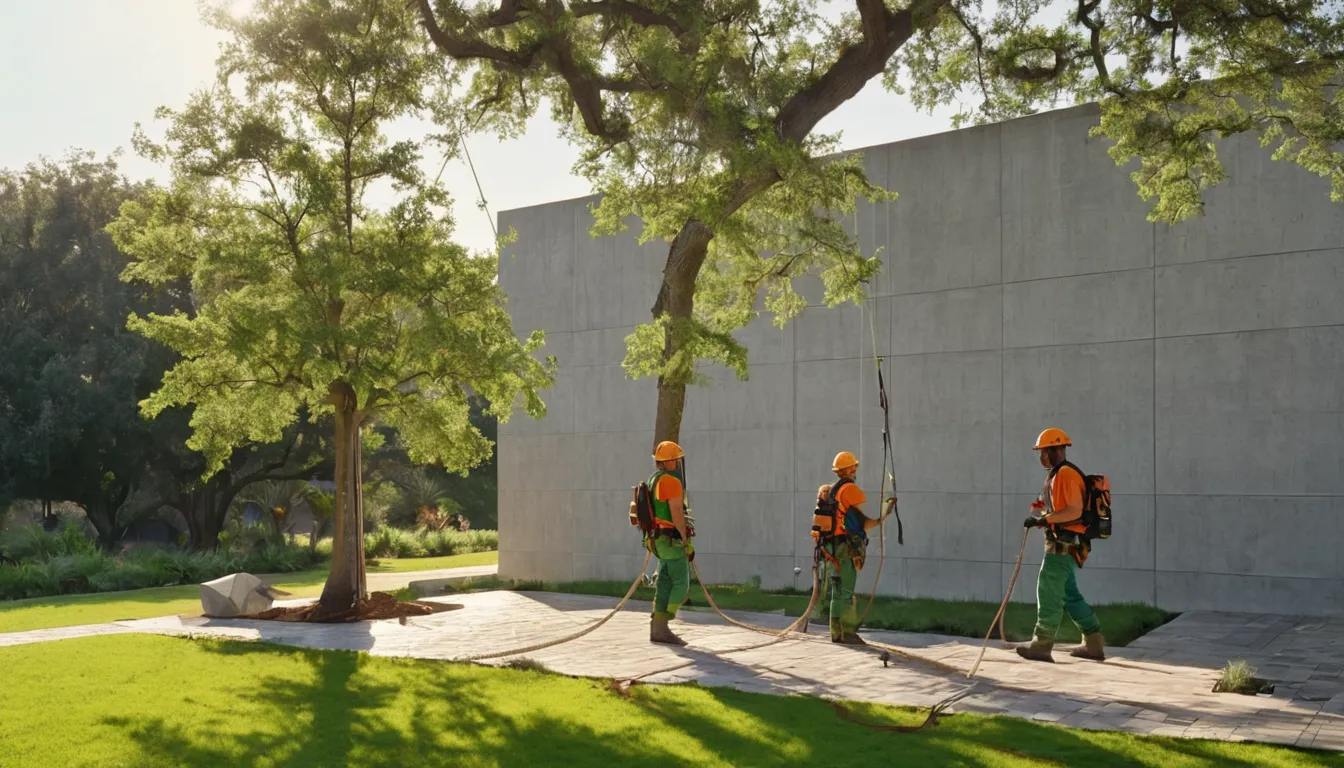
A tree that worries you is hard to ignore. Maybe it leans toward the roof. Maybe a storm cracked a limb, or roots are lifting a walkway. Sitemet Tree Service is a referral service that connects homeowners in the Cape Coral area with independent local providers who handle tree removal. We do not cut or haul anything ourselves. The provider does the work.
This page walks you through the whole project in plain words. You will see what to check first, how a job usually runs, what changes the price, and what to ask before you agree to anything. We also look past the day the tree comes down. Good upkeep afterward keeps your yard, roof and slab in better shape and helps protect your home's value for years.
Begin with one question: is anything in danger right now? A tree on a roof, a limb over a driveway or a trunk across a road is urgent. Keep people and pets away from it, and stay clear of any downed power line.
If the tree is not an active threat, you have time to compare options and plan the job well.
A fallen or half-fallen tree is a different kind of job. Emergency tree removal means a provider makes the area safe first. Request a callback to check provider availability, because hours and schedules vary from one provider to the next.
A tree that is dead, leaning, hollow or dropping large limbs can usually wait a short while. Take photos, note what you see, and request an estimate from a provider before the next storm.
Most people do not remove a tree lightly. The common reasons are simple:
In our humid climate, trees grow fast and wet soil can loosen their grip. A tree that looked fine last year may not be fine now.
Every provider works a little differently. Still, most jobs follow the same path.
The provider looks at the tree, the space around it and anything it could hit. You get a written quote that names the work included.
In tight yards, crews often take a tree down in sections and lower the pieces with ropes. That protects roofs, fences and pool screens. Open yards may allow a tree falling service approach, where the trunk is felled in one direction.
Ask whether logs, branches and sawdust are hauled off. Some quotes leave wood on site. Know which one you are getting.
Height, trunk width and access matter most. A tree beside a house, near wires or over a pool costs more to remove than one in an open yard. Condition counts too, since a rotten tree is riskier to climb. Debris hauling and stump work are often priced apart. The table below shows typical U.S. ranges, and your quote may differ.
Some cities, counties and condo or HOA communities have rules about removing certain trees. Protected species, large trunks and trees near a property line may need approval. Ask the provider what applies, and check with your city office or association before work starts. A shared tree may also need a neighbor's agreement.
A provider in our network can be a good starting point, but you should still ask questions:
Be careful with anyone who asks for full payment up front or pressures you to decide on the spot.
Move cars out of the driveway and off the street if needed. Clear patio furniture, toys and potted plants from the work zone. Tell neighbors about the noise. Mark sprinkler heads and buried lines. Keep pets inside.
This is the part many people skip. Remove, then maintain. A few simple checks protect the home.
A leftover stump can attract pests, sprout shoots and trip people. Many homeowners schedule stump grinding soon after the tree is gone.
Look over tile or shingles for scrapes and loose pieces. Check the slab and walls for cracks near where roots grew. Watch how water drains once the shade and roots are gone.
Walk the yard before hurricane season starts in June. Trim weak limbs on remaining trees and plan any storm tree clearance early, so you are not scrambling when forecasts turn.
A safe, tidy yard helps curb appeal and makes a future sale easier. Buyers and inspectors notice dead trees, stumps and roof damage. A written record of the work also helps if you ever file an insurance claim. Some policies may cover sudden damage, so check your policy, and providers can often help document damage for a claim.
If you are ready to move forward, you can request a callback to talk through your options or send a request online.
A clear quote lists what the provider will cut, haul and clean, so there are fewer surprises later.
Providers can lower sections or fell a trunk, depending on roofs, fences, wires and open space nearby.
Many jobs include removing branches and logs. Confirm that on the quote before work begins.
Ask about raking, blowing off driveways and leaving the yard tidy once the work is complete.
Prices depend on size, access, tree condition and local rates. These are typical U.S. ranges only. Always get a written quote from the provider before you agree to any tree removal work.
| Job type | Typical range | Notes |
|---|---|---|
| Small tree (under 30 ft) | $150 – $500 | Easy access, light cleanup |
| Medium tree (30–60 ft) | $400 – $1,200 | Common for many home yards |
| Large tree (over 60 ft) | $1,000 – $3,000 | Height and trunk width raise cost |
| Tree near house or wires | $800 – $2,500 | Extra rigging and care needed |
| Storm-damaged tree | $500 – $3,000+ | Depends on damage and hazards |
| Debris haul-away | $100 – $400 | Sometimes included in the quote |
Note the size, location, condition and anything nearby, like a roof, fence or power line.
Contact a provider and ask for a quote that spells out cutting, hauling and cleanup.
Check insurance, permits, the schedule and what is included before you say yes.
After removal, inspect the roof and yard, handle the stump and prepare for storm season.
Independent providers in our network know local yards, weather and housing styles across the area.
Simple advice helps you ask better questions before you request any estimate.
We point you toward steps that keep the home protected after the tree is gone.
Ask about your options and compare quotes without pressure to commit.
Typical U.S. prices run from a few hundred dollars for a small tree to a few thousand for a large or hard-to-reach one. Size, access and condition change the price, so get a written quote.
It depends on where you live. Some cities, counties and HOAs protect certain trees or large trunks. Ask the provider and check with your local office or association before work starts.
Some policies may cover sudden damage, such as a tree falling on the house, but often not routine removal. Check your policy and ask the provider to help document damage for a claim.
Have a tree on your mind? Request a callback to check provider availability, or send a request and share the details of your job.
No obligation